


Minimalist house interior design thrives on the beauty of purposeful living and the elegance of simplicity. This approach prioritizes intentionality by choosing items that serve a clear function or bring genuine joy to the inhabitants. It utilizes clean lines, open floor plans, and a neutral palette to foster a sense of calm within the home.
You do not need to crowd a room with many objects because this style lets a few high-quality pieces shine through their unique materials. By focusing on essential elements, homeowners in the Philippines can create an environment that feels organized yet personal. In this article, you’ll learn what a minimalist house interior design entails and how to add warmth and character to your space without introducing unnecessary clutter.
What is a Minimalist House Interior Design?
To understand minimalist house interior design, one must look beyond the idea of empty rooms. It is an approach that values quality over quantity, prioritizing the fundamental aspects of a living space above all else.
A minimalist house interior design layout often features an open floor plan to have a seamless flow between different living areas. This openness allows natural light to permeate the space, making even a modest home feel expansive and airy.
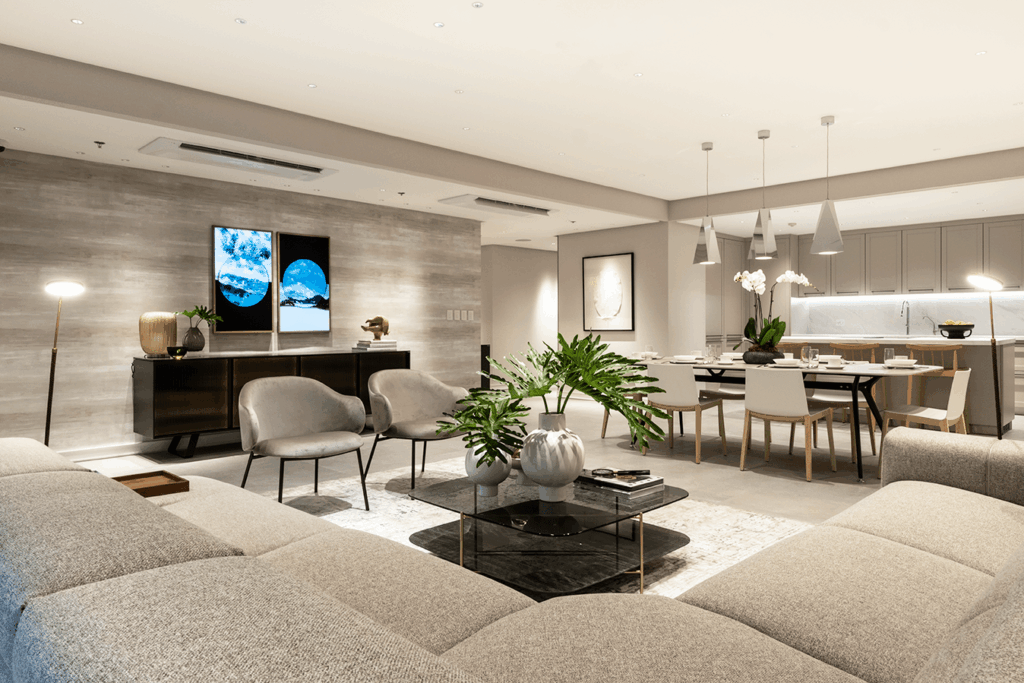
The concept of “less is more” is the foundation of the minimalist style interior design movement. You must remove unnecessary decorations and only keep the items that provide real value to your daily life. This level of intentionality requires you to be deliberate about every piece of furniture or art you bring into your home.
Minimalist house design in the Philippines has gained significant popularity because it addresses the need for tranquility in congested urban centers like Manila. Within these bustling districts, the style relies on a monochromatic palette using shades of white, beige, or gray. Designers then introduce color sparingly as an accent to provide visual interest without overwhelming the senses.
When you work with one of the best interior designers in the Philippines, they can help you balance these elements so the room does not feel empty or cold. They also understand how to manipulate the shape and texture of specific elements to create a sophisticated look. While the aesthetic is simple, the execution needs careful planning to ensure the space does not feel sterile or unfinished.
Key Principles of a Minimalist Interior Design Style
To achieve this aesthetic, you should follow several core principles. These rules help maintain the balance between a clean look and a comfortable home. Here are the principles of minimalist house interior design you should know as you plan your space.
Prioritize Functionality
The core of modern minimalist interior design is the belief that every item must serve a purpose. You should select high-quality furniture that is aesthetically pleasing yet highly functional. This means you avoid buying pieces just to fill space.
Instead, you look for items that solve a problem or enhance your daily life. For instance, a coffee table with a sleek profile might also offer hidden drawers. This mindset reduces physical clutter and mental noise. Also, choose high-quality items that are built to last. This reduces the need for frequent replacements and keeps the home from becoming a graveyard for broken or unused goods.
Establish a Neutral Color Palette
A minimalist house color scheme usually starts with soft, muted tones. These colors provide a backdrop that reflects light and creates a cohesive atmosphere. But, warm minimalism encourages the use of “near-neutrals.” These include shades like terracotta, sage green, or deep ochre. These tones add a layer of warmth that prevents the home from looking like a gallery.
Use Clean Lines and Geometric Forms
In minimalist interior design, your furniture silhouettes are vital. You should look for pieces with clean lines and simple geometric shapes. Avoid furniture with ornate carvings or excessive details. These simple forms create a visual rhythm that is easy for the eye to follow. This clarity contributes to the overall sense of order in the minimalist space.
Maximize Natural Light
Natural light is one of the most important tools in a minimalist space. You can maximize the entry of light by using open layouts and minimal window treatments. Large windows make the outside feel part of the interior. This connection to the outside world adds a layer of beauty that does not require extra clutter.
Strategic Use of Natural Materials
You could incorporate a variety of natural materials to add visual interest through their textures. Wood, stone, and glass are excellent choices for a minimalist home interior design.
For instance, a reclaimed wood coffee table provides a tactile contrast to a smooth concrete floor. These materials bring an organic quality to the room. They ground the design and provide a connection to the natural world, which is a hallmark of sophisticated minimalist interior design.
Integrating Smart Storage
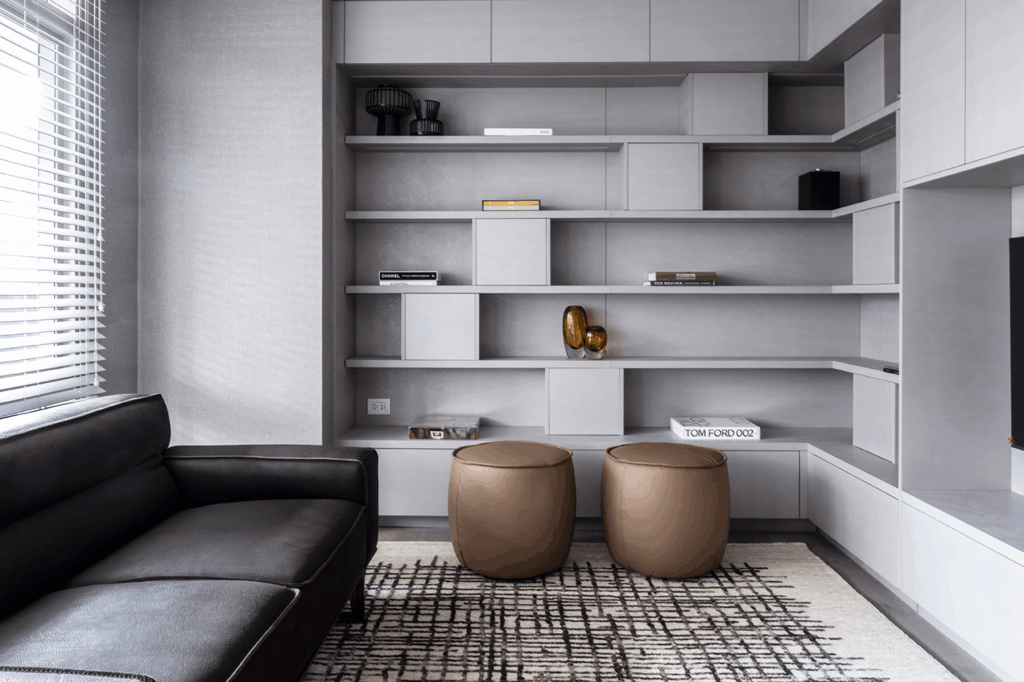
Clutter is the enemy of minimalist aesthetics. Thus, smart storage solutions are a necessity. Built-in cabinetry that blends into the walls can hide daily essentials from view. This maintains the seamless look of the minimalist house interior.
When everything has a designated place, it is much easier to keep the home tidy. You can use integrated solutions like under-stair drawers or floor-to-ceiling wardrobes to maximize every square inch. This habit preserves the tranquil feeling of the environment.
Embrace Open Space
In minimalist house interior design, you must embrace negative space. This refers to the empty areas that are not occupied by furniture or art. Negative space is a calming element rather than wasted space. It gives your belongings room to breathe and allows the architecture to stand out.
By leaving some walls bare and some floor areas clear, you create a sense of luxury and freedom. This openness is what makes a home feel like a peaceful retreat.
Adding Curated Accents for Personality
While the style is minimal, you can still add accents to reflect your personality. You should choose a few high-quality minimalist décor items rather than many small accessories. A single large painting or a sculptural vase can act as a powerful focal point. These accents should be deliberate and meaningful. When you limit the number of decorative pieces, each one carries more significance. This creates an intentional and sophisticated look.
How to Achieve a Warm Minimalist House Design
Creating a home that feels both minimalist and cozy requires a delicate touch. You must find ways to introduce softness and personality while sticking to a limited number of items. Here is how you can implement a minimalist house interior design in various rooms of your home.
Minimalist Kitchen
In a kitchen, minimalism is about efficiency. Keep the countertops as clear as possible. You can achieve this by storing small appliances in “appliance garages” or deep drawers. For a warm look, consider using wooden cabinetry or a stone backsplash with a subtle grain. This adds a touch of nature to a functional space.
The following features help you achieve a polished look while you maintain the utility of the minimalist space:
- Install handle-less cabinets for a sleek appearance.
- Use under-cabinet lighting to create a soft glow at night.
- Choose consistent island material and counters.
Minimalist Living Room Interior Design
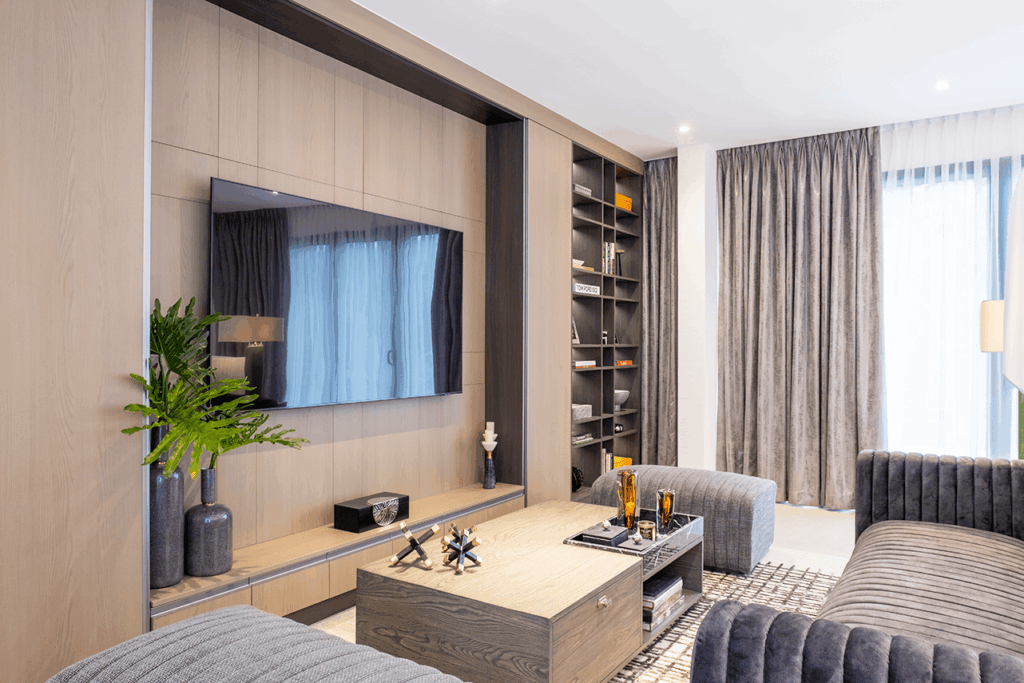
The living room minimalist interior design should focus on a balance between relaxation and conversation. Rather than filling the area with several small furniture pieces, focus on a central focal point such as a large window or a fireplace.
This approach highlights the architecture while allowing the most significant furnishings to stand out. Especially when planning a minimalist house interior design for a small house space, choosing fewer but more impactful pieces helps the room feel spacious rather than cramped. To avoid a sterile environment, you can introduce “visual weight” through the following elements:
- Layered Textiles: Place a plush wool rug over a hardwood floor. This creates a soft surface for the feet and provides immediate visual warmth.
- Natural Accents: Include a wooden coffee table that displays its natural grain. The organic texture of wood acts as a grounding element against neutral walls.
- Intentional Minimalist Décor: Select a few high-quality pieces for the coffee table. This limits visual noise while showcasing items that bring genuine joy.
Minimalist Bedroom
A minimalist house interior design for the bedroom prioritizes rest by removing distractions such as electronics or work materials. The bed serves as the primary focal point. To achieve a sophisticated look, layer bedding in several neutral shades.
The combination of a cream duvet with a beige throw blanket adds depth without patterns. This intentional selection of textures represents a successful minimalist home interior design because it creates intimacy. Soft lighting from bedside lamps further enhances the evening atmosphere.
To maintain this sense of tranquility, you may consider these specific layout choices:
- Use low-profile bed frames to create a floating effect.
- Keep bedside tables clear of everything except a lamp.
- Install blackout curtains that match the wall color for a seamless appearance.
Challenges in a Minimalist Design for House Interior
Adopting a minimalist house interior is not without its difficulties. One of the primary challenges is the initial process of decluttering. It can be emotionally taxing to part with belongings that have sentimental value. However, the goal is to keep only the items that matter.
Another challenge is maintaining the aesthetic over time. It is easy for “life” to happen and for clutter to accumulate again. This requires a shift in mindset on consumption. Before buying something new, you should ask yourself if it fits your minimalist house design. You must be disciplined about what enters your home.
Finally, achieving the right level of warmth can be difficult. Without adequate texture or proper lighting, a minimalist interior design can feel cold. It is important to experiment with different materials and light sources. Warm-toned LED bulbs and natural materials can make a significant difference in how the space feels.
Finding Your Style for a Minimalist House Interior Design
A peaceful home relies on minimalist interior design to foster a sense of intentionality. You can apply these design tips yourself to reduce visual clutter. However, for a sophisticated, timeless result, you might choose to hire one of the best interior designers in the Philippines.
Adefuin Design Studio creates a stunning minimalist house interior design by blending intentional simplicity with a sophisticated aesthetic. We combine our signature sense of luxury with functional choices to make your residence feel elegant yet personal. Reach out to us to begin designing a minimalist home that celebrates the beauty of purposeful living.